

Independent Medical Examination NJ: Your Legal Rights
Published: Dec 07, 2025 in Personal Injury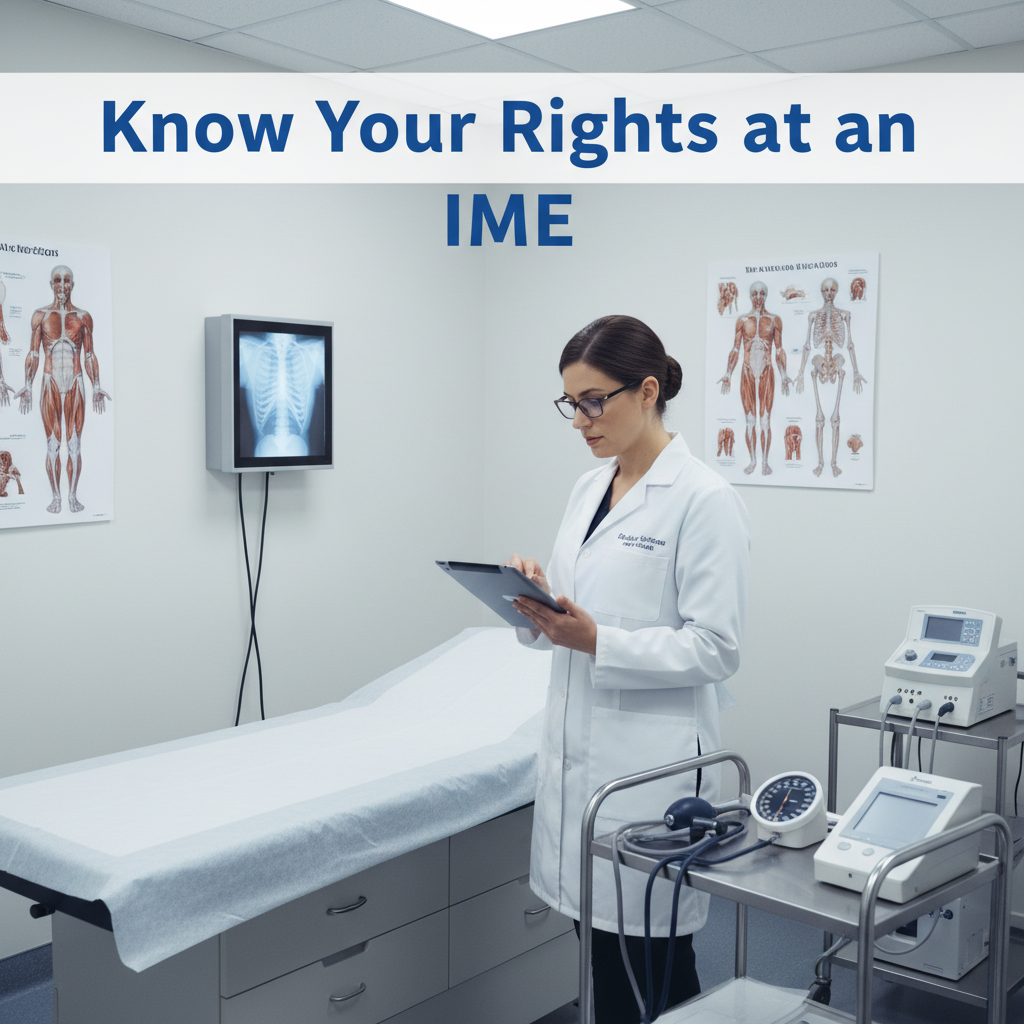
As someone who has spent over two decades representing injured New Jerseyans in personal injury cases across Hudson County, Essex County, and beyond, I’ve guided countless clients through the independent medical examination process. I understand the anxiety that comes when your insurance company or the defense requests an IME—it often feels like they’re questioning your injuries or trying to undermine your claim. That concern isn’t unfounded, which is why understanding your rights and the IME process is crucial to protecting your case.
📋 Table of Contents
- 1. What Is an Independent Medical Examination in New Jersey?
- 2. Your Legal Rights During an IME in New Jersey
- 3. What to Expect During Your Independent Medical Examination
- 4. Common IME Tactics Insurance Companies Use
- 5. How to Prepare for Your Independent Medical Examination
- 6. What to Do If You Disagree with the IME Report
An independent medical examination (IME) is one of the most contentious aspects of personal injury litigation in New Jersey. Despite its name suggesting neutrality, these examinations are rarely as “independent” as they sound. They’re typically requested by insurance companies or defendants to obtain a second medical opinion about your injuries, treatment needs, and disability status. Having handled thousands of these situations throughout my career, I can tell you that proper preparation and understanding your legal rights can make all the difference in protecting your injury claim.
Whether you’ve been involved in a car accident, truck collision, slip and fall, or any other type of personal injury incident in New Jersey, the IME can significantly impact your case outcome. This comprehensive guide will help you understand what to expect, your legal obligations, and how to protect yourself during this critical phase of your claim.
What Is an Independent Medical Examination in New Jersey?
An independent medical examination is a medical evaluation performed by a physician who has not previously treated you. The examination is requested by an insurance company, their attorney, or a defendant in a personal injury lawsuit to assess your injuries, current medical condition, and need for ongoing treatment.
The term “independent” is somewhat misleading. While the examining physician is technically independent from your treating doctors, they’re selected and paid by the insurance company or defendant. This creates an inherent conflict of interest that injured parties should understand from the outset.
When Are IMEs Requested in New Jersey?
Insurance companies and defendants typically request an IME at specific points during a personal injury claim. Understanding when and why these requests occur can help you prepare mentally and legally for the process.
Most IME requests happen after you’ve filed a lawsuit or made a substantial injury claim. According to the Insurance Information Institute, the average bodily injury claim payment in New Jersey exceeds $20,000, making insurers particularly vigilant about verifying injury severity before settling claims.
Common scenarios that trigger IME requests include cases where you’re claiming serious or permanent injuries, requesting extensive medical treatment, unable to return to work for extended periods, or when there’s a significant gap between the accident and your medical complaints. Car accident lawyers frequently encounter IME requests when clients have sustained soft tissue injuries, herniated discs, or traumatic brain injuries that require long-term care.
Legal Authority for IMEs in New Jersey
The legal foundation for independent medical examinations in New Jersey comes from multiple sources. Court Rule 4:19 governs physical and mental examinations in civil litigation, allowing parties to request examinations when a person’s physical or mental condition is in controversy.
Under New Jersey law, if you’ve filed a lawsuit claiming physical injuries, the defendant generally has the right to have you examined by a physician of their choosing. However, this right isn’t unlimited—the examination must be relevant to the injuries you’re claiming and conducted under reasonable conditions.
For insurance claims outside of litigation, your policy language typically includes provisions requiring you to submit to medical examinations as a condition of receiving benefits. Understanding these contractual obligations is essential when working with a New Jersey personal injury attorney.
Types of Cases That Commonly Involve IMEs
While any personal injury case can potentially involve an IME, certain types of claims see these examinations more frequently. Personal injury cases involving motor vehicle accidents constitute the majority of IME requests in New Jersey, particularly when claimants have ongoing pain complaints or require future medical treatment.
Truck accident cases often involve multiple IMEs due to the severity of injuries and higher policy limits at stake. Similarly, motorcycle accident claims frequently trigger IME requests because of the catastrophic nature of many bike crash injuries.
Workers’ compensation cases in New Jersey also routinely involve IMEs, though they operate under different rules than personal injury litigation. Premises liability cases involving significant injuries and wrongful death claims may also require surviving family members or estates to provide medical records for independent review.
Your Legal Rights During an IME in New Jersey
Understanding your rights during the independent medical examination process is critical to protecting your personal injury claim. New Jersey law provides specific protections for injured parties undergoing these examinations, though many people don’t realize the full extent of their rights.
First and foremost, you have the right to know who will be examining you. The requesting party must provide reasonable notice of the examination, including the doctor’s name, specialty, location, date, and time. This advance notice gives you and your attorney the opportunity to research the examining physician’s background and history of testimony in similar cases.
The Right to Have Your Attorney Present
One of the most important but frequently violated rights in New Jersey IMEs is your right to have your attorney present during the examination. New Jersey courts have consistently held that injured parties may have their attorney observe the IME to ensure the examination remains within appropriate bounds.
The presence of legal counsel protects against improper questioning, ensures the examination focuses on claimed injuries, and creates a witness to what transpired during the evaluation. Many insurance companies and defense attorneys will initially deny this right, but New Jersey case law clearly supports attorney attendance at IMEs.
Your attorney cannot interfere with the examination or coach you on responses, but they can object to inappropriate questions, document the examination process, and ensure the physician doesn’t exceed the scope of the authorized examination.
Scope and Duration Limitations
The IME must be limited in scope to the injuries and conditions you’ve placed at issue in your claim. The examining physician cannot conduct invasive procedures without court authorization, ask questions unrelated to your claimed injuries, or extend the examination beyond reasonable time limits.
Most IMEs last between 30 minutes to two hours, depending on the complexity of your injuries. Examinations that extend significantly beyond this timeframe may indicate the physician is exceeding the appropriate scope or engaging in unnecessary testing.
You have the right to refuse any test or procedure that you believe is unreasonable, invasive, or unrelated to your claimed injuries. However, such refusals should be made in consultation with your attorney, as they could potentially impact your case.
Recording and Documentation Rights
New Jersey allows for audio or video recording of IMEs in many circumstances. While not automatically granted, courts will often permit recording when there’s a legitimate concern about the examination process or the physician’s history.
Even without recording, your attorney should take detailed notes of the examination, including what body parts were examined, what tests were performed, the duration of the examination, and any statements made by the examining physician. This contemporaneous documentation can prove invaluable if disputes arise later about what occurred during the IME.
What to Expect During Your Independent Medical Examination
Knowing what typically occurs during an IME can reduce anxiety and help you prepare for the experience. While each examination varies based on your specific injuries and the examining physician’s approach, most follow a similar pattern.
You’ll typically begin by completing paperwork about your medical history, prior injuries, and current complaints. Be truthful and consistent with what you’ve previously reported to your treating physicians and in your legal documents. Inconsistencies between your IME statements and prior medical records are among the most common ways insurance companies attempt to discredit injury claims.
The Medical History Interview
The examining physician will ask detailed questions about how your accident occurred, what injuries you sustained, what symptoms you’ve experienced, what treatment you’ve received, and how the injuries have affected your daily life. According to the National Safety Council, proper documentation of injury mechanisms and symptoms is crucial for accurate medical assessment.
Answer all questions honestly and completely, but don’t volunteer information beyond what’s asked. If you don’t remember something, it’s appropriate to say so rather than guessing. Stick to the facts about your injuries and limitations without exaggerating or minimizing your condition.
The physician may also ask about your employment, recreational activities, and daily living tasks. These questions help assess your functional limitations and how the injuries have impacted your quality of life.
The Physical Examination
The physical component of the IME involves the doctor examining the body parts related to your claimed injuries. This may include observation of your gait and movement, palpation of injured areas, range of motion testing, strength testing, and neurological examinations.
The examination should focus exclusively on the injuries you’ve claimed in your case. If the physician attempts to examine unrelated body parts or conduct tests unconnected to your claimed injuries, your attorney should object and may advise you to decline those portions of the examination.
Some examinations may include diagnostic tests like X-rays or MRIs, though these are less common. Any invasive procedures require specific court authorization and cannot be performed without your consent during a standard IME.
What Happens After the Examination
Following the examination, the physician will prepare a written report detailing their findings, opinions about your injuries, assessment of your current condition, opinions about causation, and recommendations for future treatment or restrictions. This report is typically completed within two to four weeks of the examination.
The report is provided to the party who requested the IME—usually the insurance company or defense attorney. You won’t automatically receive a copy, but your attorney can obtain it through discovery procedures. Reviewing this report carefully is essential, as it will likely form the basis of the insurance company’s defense strategy going forward.

Common IME Tactics Insurance Companies Use
Having represented injured clients throughout New Jersey for more than 20 years, I’ve seen insurance companies employ various tactics to manipulate the IME process in their favor. Understanding these strategies helps you and your attorney counteract them effectively.
One of the most prevalent tactics is the selection of “defense-friendly” physicians who consistently produce reports favorable to insurance companies. These doctors make substantial income performing IMEs and understand that continued referrals depend on producing reports that help insurers deny or minimize claims.
The Repeat Examiner Problem
Insurance companies often use the same small group of physicians repeatedly for IMEs. When you research the examining doctor, you may discover they’ve testified dozens or even hundreds of times for insurance companies, almost always reaching conclusions that minimize injuries or question treatment necessity.
New Jersey courts recognize this issue but haven’t prohibited the practice. However, establishing a pattern of bias through the physician’s testimony history can help undermine their credibility if your case goes to trial. Your attorney should thoroughly research any IME physician’s litigation history and testimony patterns.
Surveillance Coordination
Insurance companies sometimes coordinate surveillance activities around the time of your IME. They may conduct video surveillance in the days leading up to the examination, hoping to capture footage of you performing activities that seem inconsistent with your claimed limitations.
This surveillance footage is then shown to the IME physician or introduced at trial to suggest you’re exaggerating your injuries. The best defense against this tactic is consistency—never overstate your limitations, but also don’t push yourself beyond your actual capabilities trying to prove you’re “tough.”
Scheduling and Logistics Manipulation
Some insurance companies schedule IMEs at inconvenient times or distant locations, hoping you’ll miss the appointment or arrive flustered and unprepared. According to the Centers for Disease Control and Prevention, stress and anxiety can actually worsen pain perception and physical symptoms, potentially affecting examination results.
Others schedule examinations very early in litigation, before you’ve reached maximum medical improvement, hoping the physician will conclude you don’t need further treatment when in reality your condition hasn’t stabilized. Working with an experienced rideshare accident attorney or other personal injury lawyer helps ensure IMEs are scheduled at appropriate times and under reasonable conditions.
How to Prepare for Your Independent Medical Examination
Proper preparation can significantly impact how the IME unfolds and the quality of the resulting report. While you can’t control the examining physician’s inherent biases, you can control your presentation and ensure you accurately communicate your injuries and limitations.
Start by thoroughly reviewing your medical records and treatment history. Refresh your memory about when specific symptoms began, what treatments you’ve received, which medications you’re taking, and how your condition has progressed. Consistency between your IME statements and your documented medical history is crucial.
Meeting with Your Attorney
Schedule a preparation session with your attorney before the IME. This meeting should cover what to expect during the examination, how to answer questions truthfully without oversharing, what your rights are during the process, and what to do if the physician asks inappropriate questions or attempts improper procedures.
Your attorney can also review the examining physician’s background and alert you to any particular areas of focus based on that doctor’s history. For example, some IME physicians are known for downplaying soft tissue injuries, while others frequently question the necessity of ongoing treatment.
What to Bring to the Examination
Arrive at the IME with your identification, insurance information if requested, a list of all current medications including dosages, a list of all treating physicians, and any assistive devices you regularly use like braces, canes, or walkers. Don’t leave assistive devices at home because you’re worried about appearing “too injured”—use what you actually need.
Bring your attorney or have them arrive shortly before the examination begins. Their presence provides valuable protection and documentation of the process. Also consider bringing a family member or friend who can wait for you and provide support, though they typically won’t be allowed in the examination room.
Dress and Presentation
Wear comfortable, modest clothing that allows easy access to injured body parts. Avoid clothing with slogans or messages that could be misinterpreted. Dress as you normally would for a medical appointment—not too formal or too casual.
Arrive on time but not excessively early. Some claimants arrive 30-45 minutes early, during which time they may be observed by office staff who note if they’re using their phone, reading magazines, or moving in ways that seem inconsistent with claimed limitations. These observations sometimes make their way into the IME report.
What to Do If You Disagree with the IME Report
IME reports frequently reach conclusions that contradict your treating physicians’ opinions. When this happens, you and your attorney have several options for challenging the report and minimizing its impact on your case.
The first step is having your treating physicians review the IME report and provide written responses addressing any inaccuracies or disagreements. Your doctors who have treated you over time and established a therapeutic relationship typically carry more credibility than a physician who examined you once for 30 minutes at the insurance company’s request.
Challenging the Examiner’s Qualifications and Bias
Your attorney can investigate the IME physician’s qualifications, board certifications, and whether they’re practicing within their area of expertise. A physician who primarily performs IMEs and rarely treats patients may lack current clinical experience. Similarly, an examiner who isn’t board-certified in the relevant specialty may lack the expertise to properly evaluate your condition.
Researching the physician’s testimony history can reveal patterns of bias. If the doctor consistently testifies for insurance companies and defense firms, rarely finding in favor of injured parties, this pattern can be presented to demonstrate bias. In New Jersey courts, establishing bias can significantly undermine the weight given to an IME physician’s opinions.
Obtaining a Rebuttal Examination
In some cases, obtaining your own independent medical examination from a truly neutral physician can provide a counterbalance to the defense IME. While this requires additional expense, it can be worthwhile in cases involving serious injuries with substantial damages at stake.
A plaintiff’s IME should be conducted by a well-credentialed physician without ties to either plaintiffs’ or defense litigation. The goal is to obtain an objective medical opinion that can carry significant weight with insurance adjusters, mediators, or juries.
Using the IME Report to Your Advantage
Not all IME reports are entirely negative. Even defense-oriented physicians sometimes acknowledge certain injuries, confirm that some treatment was reasonable, or admit that additional treatment may be necessary. Your attorney can strategically use these concessions while challenging the report’s negative conclusions.
Additionally, significant discrepancies between what you reported during the examination and what appears in the IME report can actually help your case by demonstrating the examiner’s bias or carelessness. Detailed notes from your attorney who observed the examination become crucial evidence in these situations.
Frequently Asked Questions
Can I refuse to attend an independent medical examination in New Jersey?
Refusing an IME can have serious consequences for your personal injury case. If the examination was properly requested under Court Rule 4:19 or your insurance policy terms, refusal may result in dismissal of your lawsuit or denial of insurance benefits. However, you can object to unreasonable examination conditions, request a different examiner if you can show bias, or seek court intervention if the request is improper. Always consult with your attorney before refusing any IME request, as there may be legitimate grounds to challenge the examination while avoiding the negative consequences of outright refusal.
How many times can an insurance company request an IME in New Jersey?
There’s no specific limit on the number of IMEs that can be requested during a personal injury case in New Jersey, but courts generally limit examinations to what’s reasonably necessary. Typically, one IME per claimed injury or body system is considered reasonable. Multiple examinations by the same specialty may be justified if there’s a significant change in your condition or substantial time has passed since the first examination. However, repetitive or harassing examination requests can be challenged as unreasonable. Your attorney can file motions for protective orders if the defense is requesting excessive examinations designed to burden you rather than legitimately assess your injuries.
What should I do if the IME doctor asks about pre-existing injuries?
Answer questions about pre-existing conditions truthfully and completely. Attempting to hide prior injuries or medical conditions almost always backfires when the insurance company obtains your complete medical history. However, you should clarify how your current injuries differ from or exceed any pre-existing conditions. Under New Jersey’s eggshell plaintiff rule, defendants are liable for aggravating pre-existing conditions, so having prior issues doesn’t necessarily hurt your case. Focus on explaining what new symptoms or limitations resulted from this accident and how your condition differs from your pre-injury baseline.
Will the IME doctor’s opinion determine the outcome of my case?
An IME report is one piece of evidence but doesn’t automatically determine your case outcome. New Jersey juries are instructed to weigh all medical evidence, including opinions from your treating physicians, the IME doctor, and any other medical experts. Treating physicians’ opinions often carry more weight because they’ve examined you multiple times and have a therapeutic relationship with you. The IME physician’s potential bias, limited examination time, and financial relationship with the insurance company can all be highlighted to diminish the report’s impact.
Can I bring someone with me to the independent medical examination?
You have the right to have your attorney present during an IME in New Jersey, and I strongly recommend exercising this right. Your lawyer can observe the examination, ensure it stays within proper bounds, object to inappropriate questions, and document what occurs. Beyond your attorney, whether you can bring a family member or friend depends on the circumstances and the examining physician’s policies. Some doctors allow a support person in the waiting room but not the examination room. Discuss this with your attorney beforehand, as they can negotiate reasonable accommodation for a support person if needed.
Injured in New Jersey? We’re Here to Help.
Our experienced personal injury attorneys have recovered millions for accident victims. Get your free consultation today.
No fees unless we win your case • Available 24/7 • Se Habla Español