














What types of divorce are available in New Jersey?
New Jersey allows for both contested and uncontested divorces, as well as no-fault divorces where irreconcilable differences are cited.








Are you considering filing for divorce? We can help you! Our divorce lawyers have handled hundreds of cases over the years, from uncontested matters to complex disputes involving cross-border and family considerations. We proudly represent the Indian community in divorce matters throughout New Jersey.

Divorce is difficult for anyone, but for members of the Indian and South Asian community it often carries added layers of cultural expectation, family involvement, and concern over how the outcome will be viewed by relatives both here and abroad. On top of these personal pressures, you must also navigate an unfamiliar court system and the financial strain that comes with ending a marriage.
You may worry that bringing in a divorce attorney will make matters more contentious or more public. In our experience, the opposite is usually true. A New Jersey Indian divorce lawyer from Bhatt Law Group understands the cultural and family dynamics that shape these cases, including marriages performed in India, the involvement of extended family, and the sensitivities that surround separation. Your lawyer will explain your rights and options clearly and guide you through the process with both knowledge and discretion. For more information on how we can help, contact us online or call (201) 798-8000 to schedule a free consultation.
Like all legal matters, divorces come in many forms, and no two are exactly alike. New Jersey allows you to file for divorce on one or more specific grounds or on a no-fault basis. You may allege that your spouse’s conduct caused the breakdown of the marriage, or you may simply state that there are irreconcilable differences. Many couples in our community prefer the no-fault route because it keeps the focus on resolving issues rather than assigning blame, which can ease tension with extended family on both sides.
Your divorce may also be contested or uncontested. In a contested divorce, your spouse may oppose ending the marriage, or more often, disagree with how you wish to resolve issues such as alimony, property, or child custody. In an uncontested divorce, both spouses agree that the marriage should end and reach agreement on the related issues. An uncontested divorce is typically finalized far more quickly.
Whether or not you know what kind of divorce lies ahead, speak with a New Jersey Indian divorce lawyer as early as possible. Working with an experienced attorney who understands both New Jersey law and the cultural context of your marriage is the best way to protect your rights and reach a fair result.
If you are considering filing for divorce based on your spouse’s conduct, consider the grounds for divorce that New Jersey recognizes:
Many factors influence whether you should file on a specific ground or pursue a no-fault divorce, and the right choice often depends on your family circumstances and your goals. You should speak with an experienced New Jersey Indian divorce lawyer from Bhatt Law Group to understand how these options differ and how each may affect your case.
A New Jersey court cannot grant a divorce unless it has jurisdiction over you or your spouse, which generally comes from residency in the state and a particular county. You are a resident if New Jersey is your permanent home, and you may also qualify if you maintained a permanent home here and spent at least 183 days in the state. For most divorces, either you or your spouse must have been a New Jersey resident for at least one year before filing.
These rules take on added importance for Non-Resident Indian (NRI) families and for couples whose marriage was performed in India. Questions often arise about whether to file in New Jersey or in India, how a marriage solemnized under Indian law is recognized here, and whether a divorce or order obtained in one country will be honored in the other. When one spouse lives abroad, or when assets, family, or children are located in India, jurisdiction can become a deciding factor in the outcome. Our attorneys help you understand where you can and should file and how a cross-border element may shape your strategy.
If you are unsure whether you can file for divorce in New Jersey, whether you must file elsewhere, or how your marriage in India affects your options, call Bhatt Law Group’s New Jersey Indian divorce lawyers today.
The court process of filing for divorce can be complicated. There are many technical steps to beginning a case, including completing the proper forms, drafting the correct paperwork, and filing in the appropriate court. You must also properly serve your spouse with the papers after filing, which can require additional planning when a spouse resides in India or travels frequently. Strategy matters as well. How and when you file, and what you initially request, can significantly affect how your spouse responds and how quickly the matter resolves.
Contact an experienced New Jersey Indian divorce lawyer at Bhatt Law Group to learn more about filing. Preparation can take weeks or months. You may need to gather originals or copies of personal documents, individual and marital financial records, prior court orders, and documentation of your marriage, including a marriage certificate issued in India where applicable.
Your attorney will also discuss the many issues that arise in a divorce, including the division of assets and debts, spousal support, child custody and support, retirement, and more. You and your lawyer should be aligned on what you want and your likelihood of achieving it before you file.
A legal separation is different from a divorce and different from the practical separation you and your spouse may already be experiencing. Many couples begin living apart before a divorce. One spouse moves out or into another room, and the two of you begin to live more independently. This may include presenting yourself to the community as separated rather than married. While this is significant emotionally and within the family, it is not the same as a legal separation.
A legal separation is established through a court process and order. You and your spouse can ask the court to formalize the terms of your separation, including how you will handle finances, co-parenting, and related matters. For some families, this offers a structured path forward while questions of reconciliation or timing are still being considered.
A divorce involves far more than the question of whether the marriage should be dissolved. The heart of the process is the practical separation of your lives, and several issues carry particular significance for Indian families.
When you are considering filing for divorce, or after you have been served with papers, you may wonder why you should hire a divorce lawyer. The benefits are significant. An experienced attorney knows how to prepare for, file, and respond to a divorce, can guide you through the court process, and can take formalities off your plate so you can focus on your family’s wellbeing and future.
At Bhatt Law Group, our family law attorneys are committed to protecting your rights and helping you reach a fair outcome, with an understanding of the cultural, family, and cross-border considerations that matter to the Indian community. This is especially important when a matter becomes contentious or involves family or assets in India. For more information on how we can help, contact us online or call (201) 798-8000 to schedule a free consultation. We proudly represent clients in divorce cases throughout New Jersey.
When someone’s negligence causes you or a loved one serious injury, you deserve justice. Our team of personal injury lawyers at Bhatt Law Group is here to help you obtain the maximum available compensation for your medical costs, lost income, and other losses. We’re dedicated to fighting for the rights of injured people throughout New Jersey.
Domestic matters can be incredibly complicated and emotional. Our team of New Jersey family lawyers at Bhatt Law Group are dedicated to protecting your best interests in family law matters, from divorce to custody disputes to DYFS investigations. Let us help you through this challenging time in your life.
Domestic matters can be incredibly complicated and emotional. Our team of New Jersey family lawyers at Bhatt Law Group are dedicated to protecting your best interests in family law matters, from divorce to custody disputes to DYFS investigations. Let us help you through this challenging time in your life.





No aspect of this advertisement has been approved by the Supreme Court. To read the standard by which Thomson Reuters, AVVO, Lead Counsel, National Academy of Personal Injury Attorneys, and National Association of Distinguished Counsel provides accolades, please visit bhattlawgroup.com/accolades.
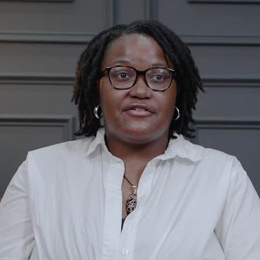
Renee
Bhatt Law Group Client
Renee was involved in a T-bone accident. Hear how Bhatt Law Group was able to go above and beyond to help Renee after her accident.
zyzntbc459
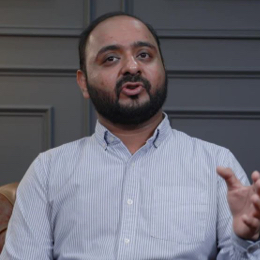
Drupaj
Drupaj was involved in a rear end car accident. Hear how Bhatt Law Group was able to help Drupaj and was by his side through the entire process.
t3zknkywdx
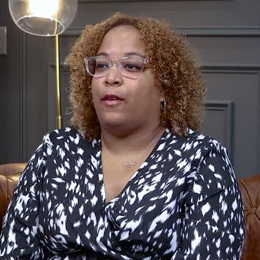
Jocelyn
Jocelyn was involved in a rear end car accident. Hear how Bhatt Law Group was able to help Jocelyn through her trauma.
5uo7d3632x
Tatyana
Tatyana was involved in a rear end car accident. Hear how Bhatt Law Group was able to help Tatyana and exceeded her expectations.
q9afbokeg0

Stephanie
Stephanie was involved in a rear end car accident. Hear how Bhatt Law Group was able to help Stephanie by exceeding her expectations.
1h0faqznae
New Jersey allows for both contested and uncontested divorces, as well as no-fault divorces where irreconcilable differences are cited.
Grounds for divorce in New Jersey include adultery, willful abandonment, physical or mental abuse, drug or alcohol addiction, and living separately for at least 18 months.
To file for divorce in New Jersey, either you or your spouse must be a resident for at least one year, and the court must have jurisdiction over the case.
Filing for divorce involves completing forms, drafting paperwork, filing in the appropriate court, and serving your spouse with the papers.
Legal separation is a court-ordered arrangement that formalizes the terms of separation, while divorce legally ends the marriage.
Common issues in a divorce include property division, debt division, alimony, child custody, and child support.
A divorce lawyer can guide you through the legal process, help protect your rights, and work towards a fair outcome.
You should gather personal documents, financial records, prior court orders, and your marriage certificate.
Cultural expectations and family dynamics can add complexity to divorce proceedings, especially for members of the Indian community.
Yes, you can contact Bhatt Law Group online or call (201) 798-8000 to schedule a free consultation.