







- Experienced Personal Injury Attorney
- Trial Lawyer
- Stellar Customer Service
New Jersey I-287 Accident Lawyer
Injured in a crash on I-287? We Can Help You. No Fee Unless We Win. Our team of personal injury lawyers have successfully recovered millions of dollars on behalf of our clients, including multi-million dollar settlements in commercial vehicle cases. We proudly represent injured clients throughout New Jersey.
New Jersey I-287 Accident Lawyer
Interstate 287 is one of the busiest and most punishing stretches of road in New Jersey. Known to most drivers simply as Route 287, it runs roughly sixty-seven miles from its southern terminus at the New Jersey Turnpike and Route 440 in Edison, west through Piscataway and Bridgewater, then north through Bedminster, Basking Ridge, Morristown, Hanover, and Parsippany, and finally up through Montville, Riverdale, Wanaque, Oakland, and Franklin Lakes before crossing the state line at Mahwah. Along the way it passes through five counties and feeds into I-78, Route 24, I-80, Route 46, Route 202, Route 208, and Route 17. It carries dense commuter traffic and an enormous volume of tractor-trailers at the same time, on a roadway that narrows, curves, and climbs as it moves north. The result is a corridor where a moment of inattention produces a collision at highway speed, often involving multiple vehicles and frequently involving a commercial truck. If you were injured in a crash on I-287, you are not dealing with an ordinary fender bender, and you should not handle the claim like one.
Experienced Route 287 Car Accident Attorney Serving All Five Corridor Counties
Bhatt Law Group represents drivers, passengers, motorcyclists, and families throughout the entire I-287 corridor, from Middlesex and Somerset counties in the south to Morris, Passaic, and Bergen counties in the north. Our attorneys have spent years litigating high-speed highway collisions, commercial vehicle cases, and catastrophic injury claims against the insurance carriers and trucking companies that defend them. We investigate the crash scene, secure the New Jersey State Police report, retain accident reconstruction and medical experts when the case demands it, and prepare every file as though it is going to trial, because that is what moves an insurance carrier to pay full value. Consultations are free, and we handle personal injury matters on a contingency basis, which means you owe us nothing unless we recover for you. Our phone number is 201-798-8000.
Why I-287 Produces So Many Serious Crashes
Interstate 287 was built as an outer beltway around New York City, and it now does three jobs at once. It is a regional commuter route for hundreds of thousands of North and Central Jersey residents. It is a freight corridor that carries tractor-trailers between the Port of New York and New Jersey, the warehouse belt along the Turnpike, and destinations north and west. And it is a bypass that through-traffic uses to avoid the city entirely. Those three streams of traffic move at very different speeds, in very different vehicles, on the same pavement.
The conditions that make Route 287 uniquely dangerous include:
- Heavy commercial truck volume mixed directly into commuter traffic, with no dedicated truck lanes across most of the route.
- High-volume interchanges where traffic weaves across multiple lanes in a short distance, including the Turnpike and Route 440 junction in Edison, the Route 22 interchange in Bridgewater, the I-78 split in Bedminster, and the I-80 and Route 46 interchange in Parsippany.
- Sudden congestion and stop-and-go conditions during morning and evening rush, which produce rear-end and chain-reaction collisions at speed.
- A northern stretch that climbs through the Ramapo Mountains, with grades, curves, and limited sight distance that punish speeding and following too closely.
- A documented shortage of truck rest areas along the northern corridor, which has led to tractor-trailers parking on shoulders and ramps in places they were never meant to stop.
- Weather exposure on the elevated and mountainous sections, where ice, snow, and reduced visibility develop before drivers coming from the south encounter them.
- Construction and lane-shift zones that appear with little warning and force abrupt merging.
New Jersey Department of Transportation crash rankings have consistently placed I-287 among the state’s highest-volume crash corridors, with thousands of reported collisions and hundreds of injuries in a single reporting year. The heaviest concentration has historically fallen on the stretch between Bridgewater and Bedminster, where the roadway carries dense traffic through a series of major interchanges in a short span. If your crash happened on that stretch, you are far from alone, and there is very likely a documented pattern of collisions in the same location that supports your claim.
The Most Dangerous Stretches of I-287, County by County
Where your crash occurred matters. It determines which State Police station holds your report, which county court will hear your case, what the traffic pattern looked like at the moment of impact, and what the local crash history shows. Our attorneys handle claims arising along the full length of the highway.
Middlesex County, roughly Exit 1 through Exit 9:
- Edison Township, including the southern terminus at the New Jersey Turnpike and Route 440, and the Exit 1 interchange with Route 1. This is one of the most heavily trafficked merge points in the state and a frequent site of high-speed rear-end and sideswipe collisions. It has also seen catastrophic tanker truck fires.
- Metuchen and South Plainfield, near the Exit 2 interchange with Route 27.
- Piscataway, where tractor-trailer jackknife incidents and hazardous material spills have shut down the highway for hours at a time.
Somerset County, roughly Exit 10 through Exit 26:
- Bridgewater Township, including the Route 22 interchange and the approach to the Somerville Circle area, a section with one of the worst crash records on the entire route. A single morning collision here involving three tractor-trailers closed I-287 North for roughly seven hours.
- Bound Brook and the Raritan River crossing, where the roadway narrows through a flood-prone valley.
- Bedminster and Far Hills, where I-287 meets I-78 in a high-speed split that regularly produces merging collisions.
- Basking Ridge and Bernards Township, along the climb toward Morris County.
Morris County, roughly Exit 30 through Exit 47:
- Morristown and Morris Township, with heavy commuter volume feeding on and off the highway.
- Harding Township, where a tow truck driver assisting a stranded motorist was struck and killed, a reminder of how exposed anyone stopped on the shoulder of this road truly is.
- Hanover Township, near the Route 24 interchange, the site of multiple tanker and tractor-trailer incidents.
- Parsippany-Troy Hills, where I-287 crosses I-80 and Route 46 in one of the largest and most complex interchange complexes in New Jersey.
- Boonton and Montville Township, on the northern climb.
Passaic County, roughly Exit 52 through Exit 57:
- Riverdale and Pequannock, at the Route 23 and Route 202 connections.
- Wanaque, on the mountainous stretch through the southern Ramapos, where grade and curvature combine with truck traffic.
Bergen County, roughly Exit 57 through Exit 66:
- Oakland and Franklin Lakes, at the Route 208 interchange.
- Mahwah Township, the final stretch before the New York state line, where fatal collisions have occurred near milepost 65 and where the ongoing shortage of truck parking has drawn safety complaints from local officials for years. A semi-trailer fire in this county has shut down the southbound lanes entirely.
Our Hackensack office serves the Bergen and Passaic sections of the corridor directly. Our Newark and Jersey City offices serve clients throughout North and Central Jersey. Wherever on I-287 your crash occurred, we can meet with you at the location that is most convenient, and we can come to you if your injuries make travel difficult.
I-287 Truck and Tractor-Trailer Accidents
A collision between a passenger car and a fully loaded tractor-trailer is not a car accident with a bigger vehicle involved. It is a different kind of case entirely, and it demands a different kind of preparation.
An eighty-thousand-pound commercial truck traveling at highway speed carries roughly sixteen times the kinetic energy of a typical passenger car at the same speed. It needs substantially more distance to stop. It has significant blind spots along both sides and directly behind the trailer. When it jackknifes, overturns, or loses a load, it can take multiple vehicles with it. On I-287, where trucks share every lane with commuters, this happens with disturbing regularity. State safety data has repeatedly identified the Route 287 corridor through Morris and Somerset counties as one of the most dangerous areas in New Jersey for truck crashes.
What makes an I-287 truck case different from an ordinary car accident claim:
- Multiple potentially liable parties. Fault may rest with the driver, the motor carrier that employed him, the company that owned the tractor, the separate company that owned the trailer, the shipper or broker that arranged the load, the warehouse crew that loaded it improperly, or the maintenance contractor that failed to service the brakes.
- Far higher insurance limits. Interstate motor carriers are required to carry federally mandated minimum liability coverage, and it is common for the total available coverage across layered policies to reach seven figures. That is why carriers fight these cases so aggressively.
- Federal regulations create additional theories of liability. Hours-of-service limits, electronic logging device records, mandatory inspection and maintenance rules, drug and alcohol testing requirements, and driver qualification standards all give an experienced attorney avenues to prove negligence that simply do not exist in a two-car case.
- Critical evidence disappears fast. The truck’s electronic control module holds speed, braking, and throttle data in the seconds before impact. Dashcam footage, ELD logs, dispatch records, and the driver’s qualification file are all subject to retention periods, and some can be lawfully overwritten within months.
- The trucking company’s team arrives before you do. Major carriers dispatch rapid-response investigators to serious crash scenes within hours. They are photographing, measuring, and interviewing while you are still in the emergency room.
This is why the single most important thing you can do after a truck collision on I-287 is contact an attorney immediately, so that a spoliation letter goes out and the evidence is legally preserved before it is gone. Our firm has recovered significant settlements in commercial vehicle cases, including a two million dollar recovery for a client whose vehicle rolled over after being sideswiped by an eighteen-wheeler, and a $2.3 million recovery for a client t-boned by a commercial vehicle who required multiple lumbar spine surgeries. If a tractor-trailer, box truck, delivery van, dump truck, or any other commercial vehicle was involved in your crash, call 201-798-8000 today.
Common Causes of Route 287 Collisions
Establishing the cause of the collision is the foundation of your claim. In a highway case, cause is rarely as simple as one driver making one mistake, and the insurance carrier will work hard to shift as much fault onto you as it can. New Jersey follows a modified comparative negligence rule, which means your recovery is reduced by your share of fault and eliminated entirely if you are found more than fifty percent responsible. Proving what actually happened is not a formality. It is the case.
The collisions we see most often on I-287 are caused by:
- Tailgating and following too closely. The leading cause of the chain-reaction pileups that shut this highway down during rush hour.
- Unsafe lane changes and blind spot collisions, particularly around interchanges where drivers realize late that they need to cross three lanes to make their exit.
- Speeding and aggressive driving, including passing on the shoulder, which has directly caused fatal crashes on this route.
- Distracted driving, including cell phone use, navigation systems, and in-vehicle screens.
- Drowsy and fatigued driving, a particular danger among long-haul truck drivers pushing against delivery deadlines and among commuters on the pre-dawn and late-night stretches.
- Driving under the influence of alcohol, cannabis, prescription medication, or illegal drugs.
- Improperly secured or overloaded cargo, which shifts, spills, or falls into travel lanes.
- Tire blowouts and brake failure caused by deferred maintenance on commercial vehicles.
- Wrong-way driving, which is rare but almost always catastrophic.
- Improper merging at on-ramps, especially where acceleration lanes are short.
- Failure to slow for stopped traffic, disabled vehicles, or emergency responders on the shoulder, in violation of New Jersey’s Move Over Law.
- Dangerous road conditions, including inadequate signage, poor lane markings, defective guardrails, missing shoulder space, standing water, potholes, and negligently designed or maintained construction zones.
- Deer and wildlife strikes, which are a genuine hazard on the wooded northern stretches and which frequently trigger secondary collisions when a driver brakes or swerves.
If a public entity’s negligent design, maintenance, or construction of the roadway contributed to your crash, you may have a claim against that entity as well. Those claims are governed by the New Jersey Tort Claims Act and carry a strict, extremely short notice deadline, which is discussed below.
Injuries We See in I-287 Crashes
Because collisions on this highway occur at speed, and because so many of them involve commercial vehicles, the injuries tend to be severe. Many of our clients are people whose lives were on an ordinary track one morning and were permanently altered by the time the ambulance arrived.
The injuries we most frequently handle from Route 287 collisions include:
- Traumatic brain injury and concussion, including injuries that do not appear on an initial CT scan but produce lasting cognitive, memory, mood, and concentration deficits.
- Spinal cord injury, including partial and complete paralysis.
- Herniated and bulging discs in the cervical and lumbar spine, frequently requiring injections, discectomy, or multi-level fusion surgery.
- Whiplash and soft tissue injury, which insurance carriers routinely dismiss as minor but which can produce chronic, permanent pain.
- Fractured and crushed bones, including complex fractures requiring surgical hardware.
- Torn ligaments, tendons, and rotator cuff injuries, particularly to the knees and shoulders.
- Internal organ damage and internal bleeding, which may not present symptoms for hours or days.
- Burn injuries, a real risk on this corridor given the volume of fuel tankers and the vehicle fires that have occurred on it.
- Amputation and limb loss.
- Nerve damage and chronic regional pain syndrome.
- Post-traumatic stress, anxiety, and depression, which are compensable and which we document carefully.
- Wrongful death, where we represent the surviving spouse, children, and heirs.
Go to the emergency room. Do this even if you feel fine, and especially if you feel fine. Adrenaline masks injury, internal bleeding and brain injury can present days later, and a gap between the crash and your first medical visit is the single most effective argument an insurance carrier has for claiming you were not really hurt. Get evaluated, follow through on the treatment your physicians recommend, and keep every record.
Who Investigates an I-287 Crash and How to Get Your Report
This is where a crash on Route 287 differs from a crash on a local road, and it is where most people get stuck.
Interstate 287 is a state highway. Collisions that occur on it are investigated by the New Jersey State Police, not by the Edison, Piscataway, Bridgewater, Morristown, Parsippany, Oakland, or Mahwah police department. Your local police department will not have your report and generally cannot produce it for you. Which State Police station holds your report depends on which troop area covers the milepost where the crash occurred, which is why the milepost number on the scene matters so much and why we ask for it first.
What a State Police crash report contains, and why it matters to your case:
- The investigating trooper’s diagram of the collision, including point of impact and final rest positions.
- The trooper’s narrative and any preliminary determination of contributing circumstances.
- Any summonses issued, which can be powerful evidence of negligence.
- Witness names and contact information, which are often the only way to reach a witness who left the scene.
- Insurance information for every vehicle involved, including the commercial carrier’s policy if a truck was involved.
- Coded reference fields along the margins of the report that carry meaning most people never realize is there. Ask for the overlay reference grid, or let us obtain and interpret the report for you.
A police report is not the last word. Troopers arrive after the fact, they are working from physical evidence and conflicting statements, and they get things wrong. If the report assigns fault to you and you know that is not what happened, that conclusion can be challenged and it frequently is. Do not accept an unfavorable report as the end of your case. Bring it to us.
We obtain the State Police report on behalf of our clients as a matter of course. If you have not been able to get yours, call 201-798-8000 and we will handle it.
What to Do After a Crash on I-287
The shoulder of this highway is one of the most dangerous places you can stand in New Jersey. A tow truck driver was killed on the shoulder of I-287 in Harding while helping a stranded motorist. Your safety comes before everything else on this list.
At the scene, if you are physically able:
- Call 911 immediately. Report your direction of travel and the nearest milepost or exit number.
- If your vehicle is drivable and it is safe to do so, move it as far off the travel lanes as possible. Stay inside the vehicle with your seatbelt fastened rather than standing on the shoulder, unless there is a fire risk.
- Do not apologize and do not speculate about fault, to anyone. A reflexive “I’m sorry” is treated as an admission.
- Photograph everything: all vehicles from multiple angles, the damage, license plates, the roadway, skid marks, debris, traffic signage, weather and lighting conditions, and any visible injuries. Photograph the DOT number on the side of any commercial truck.
- Get the name, address, license, registration, and insurance information for every driver involved, and the carrier name for any commercial vehicle.
- Get contact information for witnesses before they leave. On a highway, they will leave.
- Note the milepost. Write it down. It is the single most useful fact for locating your report and reconstructing the crash.
In the hours and days that follow:
- Get a full medical evaluation, even if you believe you are uninjured.
- Notify your own insurance company that you were in an accident. You are obligated to do so under your policy.
- Do not give a recorded statement to the other driver’s insurance carrier or to a trucking company’s insurer or investigator. You are not required to, and their adjusters are trained to extract statements that reduce what they pay you.
- Do not accept a quick settlement offer. An early offer arrives before anyone knows the full extent of your injuries, and accepting it ends your claim permanently.
- Do not post about the crash, your injuries, or your activities on social media. Defense counsel will find it.
- Keep every bill, every receipt, every prescription, and every note documenting missed work.
- Call a lawyer. In a truck case, call one today, because the evidence has a shelf life.
New Jersey No-Fault Insurance and Your Right to Sue
New Jersey is a no-fault state, and this is one of the most misunderstood areas of law our clients encounter.
No-fault means that after a crash, your own insurance policy pays your initial medical expenses through Personal Injury Protection, or PIP, regardless of who caused the collision. That coverage is there to get your treatment started without you paying out of pocket while liability is sorted out. It does not mean nobody is at fault, and it does not mean you cannot sue.
What determines whether you can sue the at-fault driver for pain and suffering is the tort option you selected when you purchased your policy, a choice most drivers make once and never think about again.
Limited Right to Sue, sometimes called the verbal threshold. This is the cheaper option and the one most New Jersey drivers have. It allows you to sue for economic losses such as medical bills and lost wages, but it permits a claim for pain and suffering only if your injury falls into one of a defined set of serious categories, such as displaced fractures, loss of a body part, significant disfigurement or scarring, loss of a fetus, or a permanent injury that has not healed to function normally and will not heal to function normally with further treatment.
Unlimited Right to Sue. This costs more in premium, and it preserves your full right to sue for pain and suffering regardless of the category of injury.
Here is what matters. Even under the limited right to sue, the permanency category is far broader than most people assume, and the vast majority of clients who arrive convinced they are barred from suing are not barred at all. Whether your injury clears the threshold is a legal and medical question, and it is one we answer with the medical record, a physician’s certification of permanency, and the imaging. Do not decide on your own that you have no case.
If the at-fault driver was uninsured or carried too little coverage to cover your losses, you may also have a claim against your own uninsured or underinsured motorist coverage. If a commercial truck was involved, the available coverage is typically far larger and the analysis changes considerably.
Our attorneys review your policy, your PIP coverage, the at-fault driver’s policy, any applicable commercial or umbrella coverage, the State Police report, and your complete medical file, and we tell you honestly what your claim is worth and how we intend to pursue it. Give us a call at 201-798-8000 to schedule your free consultation today.
Deadlines That Can End Your Case Before It Starts
Time limits in New Jersey personal injury law are unforgiving, and the deadline that catches people is almost never the one they have heard of.
Two years for most personal injury claims. In general, a claim for injuries caused by another driver’s negligence must be filed within two years of the date of the crash. Miss it and the claim is gone, no matter how strong it was.
Two years for wrongful death claims, generally running from the date of death.
Ninety days for claims against a public entity. This is the one that destroys otherwise valid cases. If your crash was caused in part by a dangerous condition of the roadway itself, by a negligently designed or maintained construction zone, by a defective guardrail, or by a government-owned vehicle, your claim falls under the New Jersey Tort Claims Act. That statute requires that a formal notice of claim be served on the public entity within ninety days of the incident. Ninety days. Not two years. Because I-287 is a state highway that is perpetually under some form of construction or repair, this deadline is a live issue on this corridor far more often than people realize.
Shorter deadlines can apply in specific circumstances, including claims involving certain public transportation entities and claims involving minors, which follow their own rules.
The practical takeaway is simple. Do not wait to find out whether a public entity is a defendant in your case. By the time you know, the ninety days may be gone. Call us and let us evaluate it now.
What Your I-287 Claim May Recover
Compensation in a New Jersey highway injury case is not a single number handed down by a formula. It is built, category by category, from documented evidence, and the difference between a competently built file and a poorly built one is frequently a matter of hundreds of thousands of dollars.
Economic damages, which are the measurable losses:
- Emergency, hospital, surgical, and diagnostic costs.
- Ongoing treatment, physical therapy, injections, and future surgery.
- Prescription medication and medical devices.
- Lost wages and lost income from the time you could not work.
- Diminished future earning capacity, if your injuries have permanently limited what you can do for a living.
- Home modification, in-home care, and long-term care needs in catastrophic cases.
- Property damage, including the total loss of your vehicle.
- Out-of-pocket costs, including transportation to medical appointments.
Non-economic damages, which are the human losses:
- Pain and suffering.
- Permanent impairment, disfigurement, and scarring.
- Emotional distress and psychological injury.
- Loss of enjoyment of life.
- Loss of consortium, for the spouse of a seriously injured person.
Punitive damages may be available in cases involving conduct that goes beyond ordinary negligence, such as a drunk driver or a trucking company that knowingly disregarded federal safety regulations.
In wrongful death cases, surviving family members may recover for the financial support and services the decedent would have provided, along with a separate survival claim for the pain and suffering the decedent endured before death. These are difficult cases to bring and we bring them with the care they deserve.
Why Injured Drivers on I-287 Call Bhatt Law Group
Insurance carriers evaluate your case based on who is standing behind it. A file assembled by a firm that has tried these cases, retained the right experts, and taken the depositions that matter is valued differently than a file that arrives with a demand letter and a stack of unorganized bills. That is not cynicism. It is how the system works, and it is why the choice of counsel is the most consequential decision you make after the crash itself.
Our approach is straightforward. We investigate immediately, before evidence disappears. We obtain and interpret the New Jersey State Police report. In commercial vehicle cases, we move to preserve electronic control module data, driver logs, and dispatch records before they can be lawfully overwritten. We retain accident reconstruction experts, medical experts, and vocational and economic experts when the case calls for them. We document your injuries thoroughly, including the ones that are easy for a carrier to dismiss. And we prepare every case for trial, because a carrier that believes you will not try the case will never pay what the case is worth.
Bhatt Law Group maintains offices in Jersey City, Newark, and Hackensack, and we represent injured clients throughout New Jersey. Consultations are free. Personal injury matters are handled on a contingency fee basis, which means you pay nothing unless we recover for you. If you or someone you love was injured in a crash on I-287, call 201-798-8000 or reach out below.
Book a Free Consultation
Recent Settlements
$2,300,000 Settlement
Our client’s car was t-boned by a commercial vehicle. As a result, she required multiple lumbar spine surgeries. Bhatt Law Group immediately filed a lawsuit and retained experts. Prior to trial and after several depositions, we were able to obtain a settlement on behalf of our client.
$2,000,000 Settlement
Our client’s vehicle rolled over several times after being side-swiped by an 18 wheeler. This resulted in significant injuries to his neck and back. Client was unable to return to work because of his injuries. The insurance company contested the liability but after filing suit, serving discovery, and taking depositions, Bhatt Law Group was able to settle this case.
$1,750,000 Settlement
Our client was struck by a car that was attempting to make an illegal u-turn. This resulted in significant damage to our client’s car and he was taken to the hospital by ambulance. Our client required both back and knee surgery and physical therapy.
$1,300,000 Settlement
Our client was injured in a motor vehicle accident. As a result of the accident, our client sustained injuries to her spine.
$950,000 Settlement
Our client was injured when she was struck by a motor vehicle when crossing the street. As a result of the accident, our client sustained a fractured leg and injuries to her back. This was a difficult liability case but the settlement was obtained as a result of strong settlement negotiations.
$825,000 Settlement
Our client was injured when he slipped and fell on ice. As a result of the accident, our client sustained a broken ankle.
$375,000 Settlement
Our client was injured when he was rear-ended by a commercial vehicle in Jersey City. The liability insurance carrier argued low impact with minimal property damage and our client’s age to minimize the extent of his damages. As a result of the accident, our client sustained injuries to his neck and back resulting in multiple injections including a two level lumbar fusion and discectomy surgery. This settlement was the result of strategic preparation and strong settlement negotiations.
$100,000 Settlement
Our client was injured when she was involved in a motor vehicle accident in Maplewood. The claim had its complexities due to the claimant’s ongoing health issues, prior accident history and age. As a result of the subject accident, our client sustained an aggravation of injuries to her neck, back and right shoulder resulting in a one level discectomy with instrumentation. The bodily insurance carrier tendered its insured’s policy limits prior to the two year statute of limitations and without extensive litigation.
$75,000 Settlement
Multi-motor vehicle accident involving our client who suffered back injuries requiring injections.
* Results may vary depending on your particular facts and legal circumstances.
Frequently Asked Questions About I-287 Accident Claims
Who do I call for a police report if my accident was on Route 287?
The New Jersey State Police, not your local police department. I-287 is a state highway and State Police investigate collisions on it. Which station holds your report depends on the milepost where the crash occurred. We obtain these reports for our clients routinely, and we are happy to do it for you.
The other driver’s insurance company already called me. Should I give a statement?
No. You are not required to give a recorded statement to the other driver’s carrier, and there is no version of that conversation that helps you. Adjusters are professionals, they record the call, and they are trained to elicit answers that reduce what the carrier ultimately pays. Refer them to your attorney.
I chose the limited right to sue. Does that mean I have no case?
Almost certainly not. The permanency category under the verbal threshold is considerably broader than most drivers believe, and the majority of clients who come to us convinced they are barred from recovering are not barred at all. Whether your injury clears the threshold is a legal and medical determination. Let us make it.
How much is my I-287 case worth?
Any attorney who quotes you a number at the first phone call is guessing, and you should be wary of them. Value depends on the severity and permanency of your injuries, the medical treatment you require going forward, your lost income and future earning capacity, the strength of the liability evidence, the comparative fault the defense will argue, and critically, the amount of insurance coverage that is actually available. What we can tell you is that a properly investigated and well-documented case is worth substantially more than the same case handled casually.
What if the crash involved a tractor-trailer?
Then the case is more complex, the potential recovery is generally far larger, and the urgency is much higher. Electronic control module data, driver logs, and dispatch records can be lawfully overwritten. Call an attorney immediately so a preservation demand can be sent.
What if I was partly at fault?
You may still recover. New Jersey applies modified comparative negligence, which reduces your recovery by your percentage of fault and bars recovery only if you are found more than fifty percent responsible. Expect the insurance carrier to argue your share of fault is much higher than it actually is. Countering that argument is a core part of what we do.
What if the police report blames me?
A police report is evidence, not a verdict. Troopers arrive after the collision and work from physical evidence and conflicting accounts, and they reach incorrect conclusions with some regularity. Unfavorable reports are challenged successfully all the time. Bring it to us before you assume the worst.
What if the at-fault driver had no insurance, or not enough?
You may be able to recover under the uninsured or underinsured motorist coverage on your own policy. This is one of the first things we review.
How long do I have to file?
Generally two years for a personal injury claim. But if a public entity may share responsibility, for example because of a dangerous roadway condition or a defective construction zone, a formal notice of claim must be served within ninety days. Do not wait to find out which applies to you.
What does it cost to hire you?
Nothing up front. The consultation is free and personal injury cases are handled on a contingency fee basis, which means we are paid only out of a recovery. If we do not recover for you, you owe us no attorney’s fee.
Communities We Serve Along the I-287 Corridor
Bhatt Law Group represents injured clients along the full length of Interstate 287 in New Jersey and throughout the surrounding communities, including Edison, Metuchen, South Plainfield, Piscataway, Bound Brook, Bridgewater, Somerville, Raritan, Bedminster, Far Hills, Basking Ridge, Bernards Township, Harding Township, Morristown, Morris Township, Morris Plains, Hanover Township, East Hanover, Parsippany-Troy Hills, Boonton, Montville, Kinnelon, Riverdale, Pequannock, Wanaque, Oakland, Franklin Lakes, Wyckoff, and Mahwah, as well as Middlesex, Somerset, Morris, Passaic, Bergen, Essex, Union, and Hudson counties statewide.
If you were injured in a crash on Route 287, the consultation is free and the call costs you nothing. Speak with an attorney today at 201-798-8000, or email us at advice@bhattlawgroup.com.
Your Personal Injury Team
When someone’s negligence causes you or a loved one serious injury, you deserve justice. Our team of personal injury lawyers at Bhatt Law Group is here to help you obtain the maximum available compensation for your medical costs, lost income, and other losses. We’re dedicated to fighting for the rights of injured people throughout New Jersey.









Your Family Law Team
Domestic matters can be incredibly complicated and emotional. Our team of New Jersey family lawyers at Bhatt Law Group are dedicated to protecting your best interests in family law matters, from divorce to custody disputes to DYFS investigations. Let us help you through this challenging time in your life.




Your Family Law Team
Domestic matters can be incredibly complicated and emotional. Our team of New Jersey family lawyers at Bhatt Law Group are dedicated to protecting your best interests in family law matters, from divorce to custody disputes to DYFS investigations. Let us help you through this challenging time in your life.





Our attorneys have been recognized by some of the most prestigious legal organizations.
No aspect of this advertisement has been approved by the Supreme Court. To read the standard by which Thomson Reuters, AVVO, Lead Counsel, National Academy of Personal Injury Attorneys, and National Association of Distinguished Counsel provides accolades, please visit bhattlawgroup.com/accolades.



Client Stories
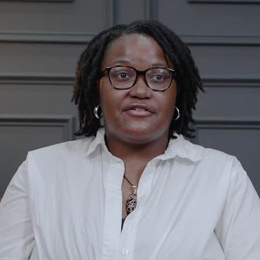
Renee
Bhatt Law Group Client
Renee was involved in a T-bone accident. Hear how Bhatt Law Group was able to go above and beyond to help Renee after her accident.
zyzntbc459

Drupaj
Drupaj was involved in a rear end car accident. Hear how Bhatt Law Group was able to help Drupaj and was by his side through the entire process.
t3zknkywdx

Jocelyn
Jocelyn was involved in a rear end car accident. Hear how Bhatt Law Group was able to help Jocelyn through her trauma.
5uo7d3632x

Tatyana
Tatyana was involved in a rear end car accident. Hear how Bhatt Law Group was able to help Tatyana and exceeded her expectations.
q9afbokeg0

Stephanie
Stephanie was involved in a rear end car accident. Hear how Bhatt Law Group was able to help Stephanie by exceeding her expectations.
1h0faqznae