

- Experienced Personal Injury Attorney
- Trial Lawyer
- Stellar Customer Service
Car Accident Lawyer Near Holland Tunnel, Jersey City
Injured in a Holland Tunnel Accident? You Need Lawyers Who Understand This Complex Corridor. No Fee Unless We Win. From the tunnel tubes to the Route 139 approach roads, our personal injury attorneys have recovered millions for crash victims navigating one of the most congestion-heavy, jurisdictionally complex corridors in all of New Jersey. We fight for injured drivers, passengers, pedestrians, and cyclists throughout Jersey City and beyond.
Highlights on this page
- Car Accident Lawyer Near the Holland Tunnel in Jersey City
- Why the Holland Tunnel Corridor Is One of the Most Dangerous Areas in Jersey City
- Recent Car Accidents Near the Holland Tunnel
- Dangerous Intersections and Segments Near the Holland Tunnel
- Port Authority Jurisdiction: What Makes Holland Tunnel Accidents Different
Car Accident Lawyer Near the Holland Tunnel in Jersey City
The Holland Tunnel is the busiest single-crossing between New Jersey and Manhattan, funneling over 120,000 vehicles per day through two narrow tubes beneath the Hudson River and onto the congested approach roads of downtown Jersey City. The corridor surrounding the tunnel — including Route 139 (the 12th and 14th Street viaducts), Marin Boulevard, Jersey Avenue, and Boyle Plaza — is a constant pressure point where high-speed highway traffic collides with dense urban streets, pedestrians, cyclists, and construction zones. If you or a loved one has been injured in a car accident near the Holland Tunnel, the experienced attorneys at Bhatt Law Group are ready to fight for the compensation you deserve.
We have represented injured drivers, passengers, pedestrians, and cyclists involved in collisions in and around the Holland Tunnel corridor for over a decade. Our Jersey City car accident lawyers understand the unique challenges of this area — from the jurisdictional complexity of Port Authority-controlled roadways to the congestion-fueled crashes on 12th and 14th Streets — and we use that local knowledge to build stronger cases for our clients.
Call us now at (201) 798-8000 or text us at (201) 676-2844 for a free, no-obligation consultation. We handle all Holland Tunnel area car accident cases on a contingency fee basis — you pay nothing unless we win.
Why the Holland Tunnel Corridor Is One of the Most Dangerous Areas in Jersey City
The Holland Tunnel does not just carry traffic under the river — it creates a ripple effect of congestion, speed changes, and dangerous driving behavior across a wide swath of downtown Jersey City. The tunnel’s approach roads, interchange ramps, and surrounding streets are engineered for vehicle throughput, not safety, and the result is a relentless pattern of crashes involving commuters, commercial vehicles, pedestrians, and cyclists.
- Route 139 forces highway-speed traffic through Jersey City streets. Route 139 — designated as both NJ Route 139 and Interstate 78 — carries traffic between the Pulaski Skyway, the NJ Turnpike, and the Holland Tunnel via the 12th Street (eastbound) and 14th Street (westbound) viaducts. These elevated roadways deposit and absorb high-speed highway traffic onto surface streets in downtown Jersey City, creating dangerous speed transitions where drivers must suddenly contend with traffic signals, pedestrian crossings, and turning vehicles while still moving at highway velocity.
- Multi-jurisdictional roads create confusion and accountability gaps. The Holland Tunnel approach is controlled by the Port Authority of New York and New Jersey, while Route 139 falls under NJDOT jurisdiction, and the surrounding surface streets belong to Jersey City. This patchwork of control means different speed limits, different signal timing standards, different maintenance schedules, and different police departments responding to crashes — all compressed into a few square blocks. Accident victims often face jurisdictional confusion about which police department to call and which agency’s records to obtain.
- Marin Boulevard has become a high-crash corridor. Marin Boulevard runs north-south through downtown Jersey City, crossing both 12th and 14th Streets near the Holland Tunnel approach. This boulevard carries heavy local traffic between the Newport neighbourhood, downtown residential towers, and the waterfront — and its intersections with the tunnel approach roads see frequent crashes involving turning conflicts, pedestrian strikes, and cyclist collisions.
- Congestion pricing has intensified approach road traffic patterns. Since New York City implemented congestion pricing in January 2025, drivers entering Manhattan through the Holland Tunnel face the tunnel toll plus an additional congestion charge of up to $9. This has altered traffic patterns on the New Jersey side — with some drivers circling, hesitating, or making last-minute route changes on approach roads that were never designed for indecisive driving behavior. The disruption adds another layer of crash risk to an already stressed corridor.
- Tunnel construction and nighttime closures create hazards. The Port Authority has been conducting a multi-year, $364 million rehabilitation of the Holland Tunnel to repair damage from Hurricane Sandy. This has required periodic tube closures — particularly late-night closures of the westbound tube — that redirect traffic onto unfamiliar detour routes, create stop-and-go conditions near closure points, and increase wrong-way driving risk on the one-way approach streets.
- Cyclists and pedestrians face extreme danger on oversized approach roads. The 12th Street corridor was originally built six lanes wide to serve toll booth traffic. Even after being narrowed to four lanes with the shift to open-road tolling, it remains a hostile environment for people on foot or on bicycles. A $25 million federal RAISE grant was awarded in 2025 specifically to redesign the 12th Street approach with safety improvements projected to reduce collisions by 60% — an acknowledgment of how dangerous current conditions are.
Recent Car Accidents Near the Holland Tunnel
Car accidents near the Holland Tunnel are not abstract statistics — they are real crashes that injure and kill real people. The following incidents illustrate the severity and frequency of collisions in and around this corridor:
- Motorcyclist injured at Marin Boulevard and 14th Street (January 20, 2026): A motorcycle rider was struck by a vehicle near the intersection of Marin Boulevard and 14th Street — directly on the Holland Tunnel’s westbound approach road. The rider was found in the roadway and received emergency medical treatment at the scene. His condition was not immediately released.
- Fatal three-car crash at Marin Boulevard and 18th Street (October 24, 2025): A multi-vehicle collision at approximately 10:05 AM killed one person and caused significant damage. Emergency crews responded to find one victim with severe injuries who was later pronounced dead at 1:06 PM. Police detained a male individual involved in the incident. The crash occurred just blocks from the Holland Tunnel approach.
- Bicyclist struck near Marin Boulevard and Christopher Columbus Drive (December 4, 2025): A driver struck a cyclist at approximately 4:00 PM at this busy downtown intersection near the tunnel approach. The bicyclist was injured and required emergency medical care. Police are investigating the cause of the crash.
- Serious two-car crash on NJ 139 Lower eastbound (February 26, 2025): Two cars collided at approximately 12:28 PM on the lower level of Route 139 heading toward the Holland Tunnel, injuring two people. One eastbound lane was closed for the investigation. Firefighters assisted with vehicle extraction, and victims were transported to local hospitals.
- Two-car injury crash on NJ 139 Lower westbound near Tonnelle Avenue (January 31, 2025): A two-car collision at approximately 1:03 PM on the westbound lower level of Route 139 injured at least one person. Emergency responders closed one of two lanes to clear the scene, causing significant traffic delays along the tunnel approach corridor.
- Two-car crash inside Holland Tunnel South Tube (January 20, 2025): A collision in the eastbound tube at approximately 11:19 AM blocked one lane and injured multiple people. Firefighters assisted with vehicle extraction inside the tunnel while EMS transported victims to a nearby hospital. The crash caused major eastbound delays.
- Bicyclist fatally struck at 16th Street and Marin Boulevard (November 4, 2023): A male cyclist was struck by a Hyundai Elantra at approximately 4:00 PM. The driver appeared to be turning left when the collision occurred. The cyclist was transported to a hospital where he was pronounced dead. The crash — just two blocks from the Holland Tunnel approach — was the third pedestrian or cyclist fatality in Jersey City that year.
These are only the crashes that made the news. Dozens more collisions occur every month in the Holland Tunnel corridor without media coverage. If you were involved in any crash in or near this area, contact Bhatt Law Group for a free evaluation of your case.
Dangerous Intersections and Segments Near the Holland Tunnel
Our attorneys have handled car accident cases from throughout the Holland Tunnel corridor. Based on police reports, crash data, news coverage, and our experience representing accident victims in downtown Jersey City, the following locations are the most hazardous:
- Marin Boulevard at 14th Street (Holland Tunnel westbound approach): The January 2026 motorcycle crash occurred at this intersection, where westbound tunnel traffic exits onto 14th Street and crosses Marin Boulevard. Vehicles exiting the tunnel at speed must navigate a complex series of turns and merges while contending with local cross-traffic, pedestrians, and cyclists on Marin Boulevard. This is one of the highest-crash intersections in the corridor.
- Marin Boulevard at 18th Street: The October 2025 fatal three-car crash occurred at this location, just blocks north of the tunnel approach. Marin Boulevard carries heavy north-south traffic between Newport, downtown, and Hoboken, and vehicles turning at 18th Street face sight-line challenges from parked cars and construction activity in the rapidly developing surrounding blocks.
- Marin Boulevard at Christopher Columbus Drive: The December 2025 cyclist strike occurred near this major downtown intersection. Columbus Drive is a primary east-west arterial connecting the waterfront to Journal Square, and its crossing with Marin Boulevard sees heavy turning movements, bus traffic, and pedestrian volumes — particularly during commuter rush hours.
- 12th Street (Route 139 / I-78 eastbound approach to Holland Tunnel): This oversized roadway carries all eastbound Holland Tunnel traffic through downtown Jersey City. Despite being narrowed after the elimination of toll booths, it remains dangerously wide — encouraging high speeds on a road that crosses multiple local streets. The Port Authority received a $25 million federal grant specifically to redesign this corridor due to its crash history.
- 14th Street (Route 139 / I-78 westbound from Holland Tunnel): All westbound tunnel traffic exits onto this corridor, which climbs the 14th Street viaduct toward the Pulaski Skyway and NJ Turnpike. The transition from a confined two-lane tunnel to a multi-lane surface road encourages sudden acceleration, and vehicles merging onto the viaduct create sideswipe and lane-change crash risks.
- Route 139 Lower Level (depressed highway): The lower level of Route 139 — a limited-access depressed roadway connecting the Pulaski Skyway and Tonnelle Circle to the Holland Tunnel approach — has been the site of fatal and serious-injury crashes. A vehicle rollover on this road in April 2020 led to a secondary crash that critically injured a Port Authority police officer who was securing the initial scene.
- Boyle Plaza (Jersey Avenue at 12th and 14th Streets): The convergence point where the 12th and 14th Street viaducts meet the Holland Tunnel approach at Jersey Avenue is a compression zone where highway traffic, local traffic, and pedestrians all compete for space. Sight lines are obstructed by viaduct structures, and the complex geometry forces multiple conflicting movements into a small area.
If you were injured at any of these locations — or anywhere else in the Holland Tunnel corridor — contact Bhatt Law Group immediately for a free case evaluation.
Port Authority Jurisdiction: What Makes Holland Tunnel Accidents Different
Unlike most roads in Jersey City, the Holland Tunnel and its immediate approach roads are controlled by the Port Authority of New York and New Jersey — a bi-state agency with its own police department, its own accident investigation protocols, and its own jurisdictional rules. This creates important differences that affect how your accident case is handled.
The Port Authority Police Department responds to crashes inside the Holland Tunnel and on Port Authority-controlled approach roads. If you are in an accident in the tunnel, you must report it to the Port Authority — not the Jersey City Police Department. Police reports for tunnel crashes are filed by the Port Authority Police and must be requested from the Port Authority, not through the standard New Jersey crash report system.
Because the Port Authority is a government agency, claims against it for dangerous road conditions, negligent maintenance, or inadequate signage are subject to the New Jersey Tort Claims Act. This means you must file a formal tort claims notice within 90 days of the accident — a much shorter deadline than the two-year statute of limitations that applies to claims against private drivers. Failing to file within 90 days will permanently bar your claim against the Port Authority.
On Route 139, NJDOT controls the roadway, which means crashes caused by dangerous conditions on the 12th or 14th Street viaducts or the lower-level depressed highway would be subject to tort claims requirements against the state. And on the surrounding surface streets — Marin Boulevard, Jersey Avenue, Columbus Drive — the standard Jersey City municipal government is responsible.
This three-way jurisdictional split is one of the reasons Holland Tunnel corridor accidents require experienced local counsel. Our attorneys know which agency controls which road, how to obtain crash reports from each, and how to navigate the strict notice requirements that protect your claim.
Types of Car Accidents We Handle Near the Holland Tunnel
The unique combination of tunnel traffic, highway-speed approach roads, dense urban streets, and heavy pedestrian activity produces a distinctive pattern of car accidents in the Holland Tunnel corridor. Our Jersey City car accident lawyers have extensive experience handling:
- Rear-end collisions: The most common crash type in the Holland Tunnel corridor. Stop-and-go congestion on the approach roads, sudden braking inside the tunnel’s narrow tubes, and the transition from highway speed to urban streets create conditions for constant rear-end crashes. The confined tunnel environment amplifies impact severity because there is no room to swerve or avoid a collision.
- Pedestrian accidents: The oversized approach roads on 12th and 14th Streets were designed for high-volume vehicle throughput, not pedestrian safety. Commuters walking to and from the PATH station, office workers crossing to Newport Centre Mall, and residents navigating downtown blocks must cross these wide, fast-moving roads — often with inadequate signal timing and crossing distances.
- Bicycle and scooter accidents: Cyclists and e-scooter riders on Marin Boulevard and the surrounding downtown grid face extreme danger from Holland Tunnel traffic entering and exiting the approach roads. The November 2023 fatal cyclist strike at Marin Boulevard and 16th Street and the December 2025 cyclist injury near Columbus Drive demonstrate the vulnerability of two-wheeled road users in this corridor.
- Multi-vehicle pileups: Chain-reaction crashes occur inside the tunnel — where two narrow lanes allow no escape room — and on Route 139, where the transition from highway speed to surface streets catches following drivers off guard. The October 2025 fatal three-car crash at Marin Boulevard and 18th Street illustrates how intersection crashes can rapidly escalate.
- T-bone (broadside) accidents: Vehicles crossing Marin Boulevard, Jersey Avenue, and Grove Street at the 12th and 14th Street intersections face fast-moving tunnel approach traffic. Red-light violations and failure-to-yield crashes at these crossings produce devastating side-impact collisions.
- Commercial vehicle accidents: While the Holland Tunnel restricts trucks with more than three axles, delivery vans, box trucks, and smaller commercial vehicles use the tunnel constantly. These vehicles create blind-spot hazards inside the narrow tubes and on the approach roads, and crashes involving commercial vehicles involve more complex insurance and liability structures.
- Motorcycle accidents: The January 2026 motorcycle crash at Marin Boulevard and 14th Street demonstrates the danger motorcyclists face navigating the Holland Tunnel exit zone, where vehicles accelerate out of the tunnel and make rapid lane changes to reach the viaducts.
- Uber and Lyft accidents: Rideshare vehicles are a constant presence near the Holland Tunnel, picking up and dropping off passengers heading to and from Manhattan. Sudden stops on 12th and 14th Streets, illegal U-turns near the approach roads, and passenger door-opening incidents create hazards for surrounding traffic and pedestrians.
Common Injuries from Holland Tunnel Corridor Car Accidents
The combination of tunnel confinement, highway-speed approach roads, and dense urban intersections means that crash injuries in the Holland Tunnel corridor span the full severity spectrum. Our Jersey City car accident attorneys routinely handle cases involving:
- Traumatic brain injuries (TBI): High-speed rear-end collisions on Route 139, intersection crashes on Marin Boulevard, and pedestrian and cyclist strikes near the tunnel approach frequently cause concussions, brain contusions, and severe TBIs. The fatal cyclist strike at Marin Boulevard and 16th Street and the critical injury of a Port Authority officer struck while securing a crash scene both involved devastating head trauma.
- Spinal cord injuries and paralysis: Crashes inside the Holland Tunnel are particularly dangerous because the confined two-lane tubes leave no room to maneuver. Rear-end collisions at tunnel speed can produce the compression and shearing forces that cause spinal cord damage, potentially resulting in partial or complete paralysis.
- Whiplash and cervical spine injuries: The stop-and-go traffic conditions on the Holland Tunnel approach roads are a primary cause of rear-end crashes that produce severe whiplash, cervical disc herniations, and upper back injuries requiring extensive physical therapy, epidural injections, or surgical fusion.
- Herniated and bulging discs: The force of impact in approach-road collisions and tunnel crashes damages intervertebral discs in the lumbar and cervical spine, often requiring epidural injections, physical therapy, or surgical procedures such as discectomy or spinal fusion.
- Broken bones and fractures: T-bone crashes at the Marin Boulevard and 12th/14th Street intersections cause arm, leg, rib, and pelvic fractures. Cyclist and pedestrian victims face particularly severe fracture patterns from direct vehicle impact.
- Internal organ damage: Blunt force trauma from high-speed collisions on Route 139 and inside the tunnel can cause internal bleeding, ruptured spleens, liver lacerations, and collapsed lungs — injuries that require emergency surgery and carry significant mortality risk.
- Carbon monoxide exposure injuries: Crashes inside the Holland Tunnel that trap occupants in a confined space with vehicle exhaust can cause carbon monoxide poisoning — particularly dangerous because symptoms may not appear immediately. Extended tunnel closures after multi-vehicle crashes expose all nearby motorists to elevated exhaust concentrations.
- Psychological injuries: Post-traumatic stress disorder (PTSD), anxiety, and claustrophobia-related panic disorders are common among Holland Tunnel crash survivors, particularly those trapped inside the tunnel after a collision in the narrow, enclosed tubes beneath the river.
If you are experiencing any of these injuries after a car accident near the Holland Tunnel, seek medical attention immediately and then contact our firm. Early legal intervention protects your rights and preserves critical evidence.
Representative Car Accident Case Results
$1,200,000 Settlement
$850,000 Settlement
$425,000 Settlement
$950,000 Settlement
$575,000 Settlement
Past results do not guarantee future outcomes. Each case is unique.
Why Choose Bhatt Law Group for Your Holland Tunnel Corridor Car Accident Case
When you hire Bhatt Law Group, you get a team of seven experienced attorneys and dedicated paralegals working on your case — not a call center, not a case mill, and not a solo practitioner juggling hundreds of files. Here is what sets us apart:
- Three offices across Northern New Jersey. Our Jersey City office is located minutes from the Holland Tunnel corridor. We also have offices in Newark and Hackensack, giving us deep familiarity with the courts, insurance adjusters, and defense attorneys across Hudson, Essex, and Bergen Counties.
- We navigate multi-jurisdictional accident claims. Holland Tunnel corridor crashes involve up to three different government agencies — the Port Authority, NJDOT, and Jersey City — each with different reporting systems, different tort claims deadlines, and different police departments. Our attorneys know how to obtain crash reports from each agency, file the correct tort claims notices, and hold the right parties accountable.
- Over a decade of personal injury experience. We have recovered millions of dollars for car accident victims throughout New Jersey. Our attorneys have tried cases involving catastrophic injuries, wrongful death, and complex multi-party liability — including the government tort claims and commercial vehicle cases that are common in the Holland Tunnel corridor.
- We know downtown Jersey City. Our firm is rooted in this city. We know the traffic patterns around the tunnel approach, which buildings and traffic cameras may have captured your accident, how congestion pricing has changed driving behavior on the approach roads, and which intersections on Marin Boulevard and 12th/14th Streets are most dangerous. That local knowledge translates into stronger cases.
- Aggressive negotiation backed by trial readiness. Insurance companies know which firms will actually take cases to trial. Because Bhatt Law Group has a proven track record of courtroom success, adjusters take our demand letters seriously — resulting in higher settlements without unnecessary delay.
- No fee unless we win. We handle every Holland Tunnel corridor car accident case on a contingency fee basis. You pay nothing upfront, and we only get paid when you recover compensation.
- In-house PIP arbitration team. Unlike most personal injury firms, we have a dedicated PIP arbitration department that ensures your medical providers get paid and your treatment is not interrupted by insurance disputes.
Compensation Available After a Car Accident Near the Holland Tunnel
The value of your car accident claim depends on the severity of your injuries, the impact on your daily life and ability to work, and the available insurance coverage. Our attorneys pursue maximum compensation for:
- Medical expenses: Emergency room visits, hospitalization, surgery, physical therapy, chiropractic care, prescription medications, medical devices, and all future treatment related to your injuries.
- Lost wages and income: Compensation for time missed from work during your recovery, including salary, hourly wages, bonuses, commissions, and self-employment income.
- Reduced earning capacity: If your injuries prevent you from returning to your prior occupation or limit the type of work you can perform, you are entitled to compensation for the difference in lifetime earning potential.
- Pain and suffering: Physical pain, emotional distress, loss of enjoyment of life, and the overall impact of the accident on your well-being. These non-economic damages often represent the largest portion of a serious injury claim.
- Property damage: Repair or replacement of your vehicle and any personal property damaged in the collision.
- Wrongful death damages: If you lost a family member in a fatal car accident near the Holland Tunnel, our attorneys can help you pursue a wrongful death claim for funeral expenses, loss of financial support, loss of companionship, and other damages.
Frequently Asked Questions About Car Accidents Near the Holland Tunnel
Who do I report an accident to if it happened inside the Holland Tunnel?
If your accident occurred inside the Holland Tunnel, you should report it to the Port Authority Police Department — not the Jersey City Police. The Port Authority has its own police force that responds to tunnel incidents and files crash reports. You can request a copy of your crash report from the Port Authority of New York and New Jersey. Our attorneys can assist with obtaining these records, which are essential for building your insurance claim or lawsuit.
Can I sue the Port Authority if dangerous tunnel conditions caused my crash?
Yes, but strict rules apply. The Port Authority is a government agency, which means claims against it are subject to the New Jersey Tort Claims Act. You must file a formal tort claims notice within 90 days of the accident — not the standard two-year personal injury statute of limitations. If the crash was caused by negligent tunnel maintenance, inadequate lighting, defective ventilation, construction-zone hazards, or failure to address known dangerous conditions, you may have a viable claim. Contact an attorney immediately to preserve your rights.
How has congestion pricing affected accident risk near the Holland Tunnel?
Since January 2025, drivers entering Manhattan through the Holland Tunnel face both the tunnel toll and a congestion pricing charge. This has changed traffic behavior on the New Jersey approach roads — some drivers now make last-minute decisions to avoid the tunnel, creating sudden lane changes, illegal U-turns, and erratic braking on 12th and 14th Streets. Other drivers attempt to time their crossing for off-peak hours, increasing traffic concentration during transition periods. These behavioral changes have added new crash risks to an already dangerous corridor.
What if I was injured as a cyclist near the Holland Tunnel approach?
Cyclists have the same legal rights as motor vehicle operators under New Jersey law. The Holland Tunnel approach roads — particularly the oversized 12th Street corridor — are extremely dangerous for cyclists due to wide lanes that encourage high speeds, heavy vehicle volumes, and minimal cycling infrastructure. The fatal cyclist strike at Marin Boulevard and 16th Street in 2023 and the December 2025 cyclist injury near Columbus Drive demonstrate the severity of this risk. Drivers who fail to yield to cyclists, check blind spots before turning, or maintain safe passing distances are liable for injuries they cause.
How long do I have to file a car accident lawsuit after a crash near the Holland Tunnel?
New Jersey’s standard statute of limitations gives you two years from the date of the accident to file a personal injury lawsuit. However, if your crash involved the Port Authority (inside the tunnel or on Port Authority-controlled roads) or NJDOT (on Route 139), you must file a tort claims notice within 90 days. This accelerated deadline catches many accident victims off guard. Contact an attorney as soon as possible after any crash in the Holland Tunnel corridor to ensure all applicable deadlines are met.
What should I do if I am rear-ended inside the Holland Tunnel?
First, turn on your hazard lights and remain in your vehicle unless there is an immediate safety threat such as fire or smoke. Call the Port Authority Police at 1-800-221-9903 or 911. Do not attempt to exit your vehicle and walk in the tunnel unless directed by emergency personnel. Exchange information with the other driver. Seek medical attention immediately afterward — even if you feel fine at the scene, the adrenaline from a tunnel crash can mask serious injuries including whiplash, disc herniations, and concussion symptoms that may not appear for hours or days.
Do I need a lawyer for a car accident near the Holland Tunnel?
If you suffered any injury requiring medical treatment, you should consult with an attorney. Holland Tunnel corridor crashes present unique challenges including multi-jurisdictional government claims with 90-day filing deadlines, Port Authority police reports that require special request procedures, commercial vehicle insurance complexities, and rapidly changing construction-zone conditions that affect liability. Insurance companies employ teams of adjusters and defense lawyers whose job is to minimize your payout. At Bhatt Law Group, consultations are free and we charge no fee unless we win.
Other Dangerous Neighborhoods and Roads in Jersey City
The Holland Tunnel corridor is not the only high-crash area in Jersey City. Our firm also handles car accident cases on surrounding roads and in nearby neighborhoods:
- Downtown Jersey City: The Holland Tunnel approach roads cut through downtown, where commuter traffic, pedestrian density, construction activity, and PATH station congestion create a constant pattern of serious accidents on Columbus Drive, Grove Street, and Newark Avenue.
- Kennedy Boulevard (JFK Boulevard): Running north-south through the city, Kennedy Boulevard is Jersey City’s most dangerous road for DUI collisions, pedestrian strikes, and multi-vehicle crashes.
- Route 1 & 9 (Tonnelle Avenue): Route 139 connects the Holland Tunnel approach to Tonnelle Avenue via Tonnelle Circle, making this high-speed corridor a direct extension of the tunnel’s traffic impact zone.
- Journal Square: West of the tunnel corridor, Journal Square’s convergence of bus routes, PATH trains, and massive development has made it one of the busiest — and most crash-prone — areas in the city.
- The Heights: Above the Palisades cliffs, The Heights connects to the tunnel corridor via Route 139, with its own deadly crash pattern driven by steep grades, blind curves, and heavy pedestrian traffic.
No matter where your accident occurred in Jersey City, Bhatt Law Group has the local knowledge and legal experience to handle your case.
Contact Our Jersey City Car Accident Lawyers Today
If you were injured in a car accident near the Holland Tunnel or anywhere in Jersey City, do not wait to get legal help. Evidence disappears, witnesses forget, and insurance companies are already working to minimize your claim. The sooner you contact Bhatt Law Group, the stronger your case will be.
Call (201) 798-8000 or text (201) 676-2844 for a free consultation. You can also contact us online to schedule an appointment at our Jersey City, Newark, or Hackensack office. We are available 24/7.
You pay nothing unless we win your case.
Your Personal Injury Team
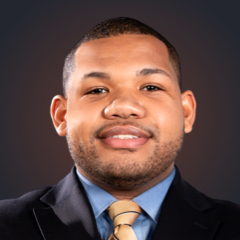
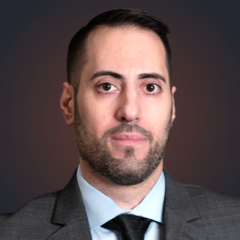
When someone’s negligence causes you or a loved one serious injury, you deserve justice. Our team of personal injury lawyers at Bhatt Law Group is here to help you obtain the maximum available compensation for your medical costs, lost income, and other losses. We’re dedicated to fighting for the rights of injured people throughout New Jersey.






Your Criminal Defense Team
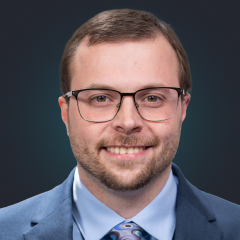
When you’ve been charged with a crime or a traffic offense in New Jersey, you need a dedicated team of lawyers who will fight your charge aggressively. At Bhatt Law Group, our criminal defense team is made up of skilled and experienced trial attorneys, including a former prosecutor, who will work hard to get you the best possible outcome for your case.



Your Family Law Team
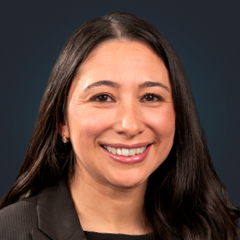
Domestic matters can be incredibly complicated and emotional. Our team of New Jersey family lawyers at Bhatt Law Group are dedicated to protecting your best interests in family law matters, from divorce to custody disputes to DYFS investigations. Let us help you through this challenging time in your life.






Our attorneys have been recognized by some of the most prestigious legal organizations.
No aspect of this advertisement has been approved by the Supreme Court. To read the standard by which Thomson Reuters, AVVO, Lead Counsel, National Academy of Personal Injury Attorneys, and National Association of Distinguished Counsel provides accolades, please visit bhattlawgroup.com/accolades.
Client Stories
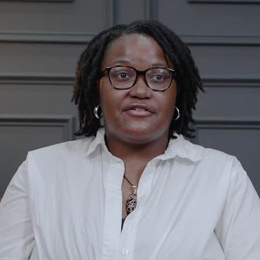
Renee
Bhatt Law Group Client
Renee was involved in a T-bone accident. Hear how Bhatt Law Group was able to go above and beyond to help Renee after her accident.
zyzntbc459
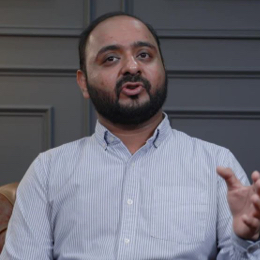
Drupaj
Drupaj was involved in a rear end car accident. Hear how Bhatt Law Group was able to help Drupaj and was by his side through the entire process.
t3zknkywdx
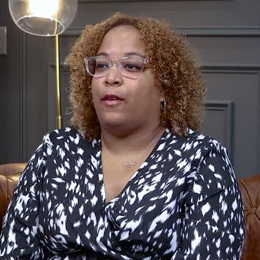
Jocelyn
Jocelyn was involved in a rear end car accident. Hear how Bhatt Law Group was able to help Jocelyn through her trauma.
5uo7d3632x
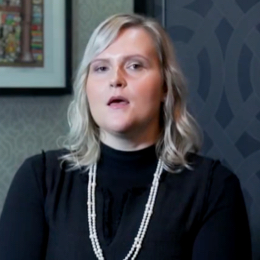
Tatyana
Tatyana was involved in a rear end car accident. Hear how Bhatt Law Group was able to help Tatyana and exceeded her expectations.
q9afbokeg0
Stephanie
Stephanie was involved in a rear end car accident. Hear how Bhatt Law Group was able to help Stephanie by exceeding her expectations.
1h0faqznae